

Leadership is an essential element of any firm, and a crucial characteristic of great leaders is their equitable demeanor. An effective leader is characterized by their equitable treatment of all team members, attentive consideration of everyone’s views and concerns, and objective decision-making that prioritizes the organization’s interests over personal biases or partiality.
An essential component of a fair demeanor is the capacity to treat every team member with respect, irrespective of their position or job within the firm. This entails actively soliciting and considering the thoughts and concerns of all individuals, while ensuring that everyone has an equitable chance to participate in the process of making decisions. A just leader also fosters an atmosphere in which every team member feels at ease expressing their opinions and sharing their ideas.
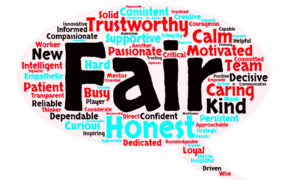 An equitable leader also advocates for openness and fosters open communication. They ensure that all team members comprehend the decision-making process and the rationale behind each decision, and that everyone is cognizant of the organization’s goals and objectives. This fosters trust among team members and ensures alignment towards a shared objective.
Furthermore, an equitable leader also fosters fairness and parity in the workplace. They ensure equal opportunities for growth and development for all individuals and maintain uniform performance standards for everyone. In addition, they ensure equitable treatment for all individuals, irrespective of their background, color, gender, religion, or any other personal attribute.
Furthermore, an equitable leader also fosters cooperation and synergy. They acknowledge the value of a heterogeneous collection of individuals who will contribute varied viewpoints and concepts, and they ensure that all participants have an opportunity to express their opinions during the decision-making procedure. Through collaboration, team members can acquire knowledge from one other and accomplish greater outcomes than they would individually.
Ultimately, possessing a just and impartial mindset is a crucial characteristic of effective leaders. It facilitates the promotion of respect, transparency, equity, and teamwork, so ensuring that all team members experience a sense of value and respect. Leaders should endeavor to cultivate an equitable disposition inside their organizations and endeavor to foster a culture characterized by fairness, respect, and cooperation.
 To cultivate a just demeanor as a leader, there are various actions you might undertake:
- Engage in active listening: Ensure that you actively listen to your team members, clients, and partners. By comprehending their viewpoints, requirements, and apprehensions, you can develop trust.
- Display courtesy and consideration towards all individuals: Show respect to all team members, irrespective of their position or role in the organization. This entails actively listening to the views and concerns of all individuals and ensuring that everyone has an equitable chance to participate in the process of making decisions.
- Promote openness: Ensure that all team members possess a comprehensive comprehension of the decision-making process and the rationale behind each choice, and that every individual is cognizant of the aims and objectives of the firm.
- Advance fairness and impartiality: Ensure equitable access to growth and development opportunities for all individuals and maintain uniform performance standards for everyone.
- Promote collaboration: Foster a culture of collaboration and teamwork among your team members. This will facilitate the inclusion of diverse perspectives and ideas, leading to enhanced collaboration and collective achievement.
- Engage in introspection and assess: Allocate a period to introspect on your personal methodologies and appraise their efficacy. This will assist you in identifying areas in which you may enhance your skills and become a more proficient leader.
- Set a precedent by your actions: Exemplify the principles you advocate and establish a positive model for your team members through leading by example.
- Solicit feedback: Request feedback from your colleagues and collaborators to gain insight into how you are perceived and identify opportunities for improvement.
Keep in mind that achieving fairness as a leader requires dedication and perseverance. However, by putting these measures into practice, you may cultivate an equitable mindset and foster a work environment characterized by fairness, respect, and cooperation.