In an era where the geographical boundaries of the workplace have expanded beyond the conventional office walls, Martin Rowinski brings his extensive expertise in executive leadership to the forefront. His proven strategies for managing remote teams not only emphasize productivity but also foster a culture of connectivity and respect among dispersed team members.
Introduction to Remote Team Management
The shift towards remote work has been one of the most significant transformations in the workplace. Effective management of these teams is crucial for maintaining productivity and employee satisfaction. This article explores successful techniques used by Martin Rowinski to manage remote teams, emphasizing concrete strategies and actionable insights.
The Importance of Clear Communication
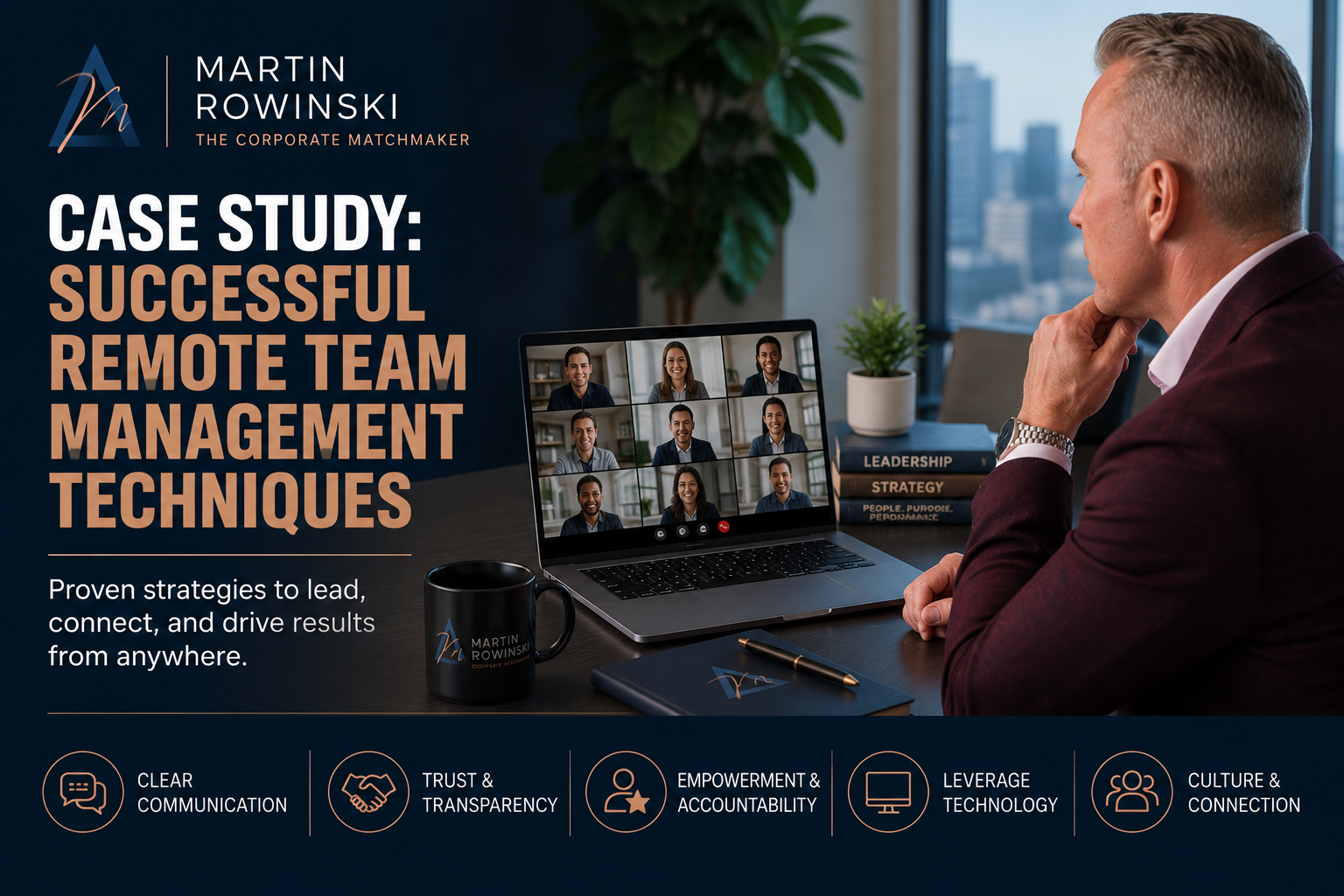
One of the foundational pillars in managing remote teams is establishing clear and consistent channels of communication. Martin Rowinski advocates for structured daily check-ins and the use of collaborative tools that facilitate open dialogue. Tools like Slack, Zoom, and Asana have become indispensable in the remote work toolkit.
Incorporating Regular Feedback
Feedback should not become an annual event but a regular part of routine interactions. For remote teams, Martin suggests virtual feedback sessions that are both structured and spontaneous to ensure that team members feel valued and understood.
Cultivating Trust and Responsibility
Building Trust Through Transparency
Transparency is vital for remote teams. Martin encourages leaders to share company goals and updates openly, which helps in aligning team efforts and building mutual trust. By fostering an environment where honesty is encouraged and expected, leaders can drive a more cohesive and dedicated team.
Encouraging Ownership and Autonomy
Martin believes in empowering team members by delegating meaningful responsibilities. This autonomy not only aids in skill development but also boosts morale and job satisfaction.
Leveraging Technology for Remote Efficiency
Utilizing the right technology not only supports work tasks but also helps in maintaining team bonding through virtual coffee breaks or gaming sessions—an approach Martin often emphasizes in his strategies. The integration of Artificial Intelligence for project management and real-time communication has notably enhanced the efficiency of remote teams.
Cultivating a Core Culture Online
Central to Martin’s philosophy is the belief that a strong corporate culture can be cultivated online. He recommends regular virtual team-building exercises that reflect the company’s core values and mission, making remote workers feel connected to the larger goals of the organization.
Conclusion: Thrive with Remote Team Management
Martin Rowinski’s approach to remote team management revolves around embracing technology, fostering open communication, and enabling a culture of trust and autonomy. Through these focuses, remote teams can not only survive but thrive.
For those looking to enhance their remote management skills further, visiting Martin Rowinski’s insightful resources on his website is highly recommended.
#RemoteWork,#TeamManagement,#Leadership,#BusinessStrategy,#WorkFromHome,#DigitalTransformation,#ManagementTips