
Leaders often face their hardest decisions before the facts become clear. A plan breaks down, conditions shift, and a team still needs direction, making leadership under uncertainty a practical responsibility rather than an abstract skill.
The pressure persists because waiting can feel safer than choosing an imperfect option. Yet remaining in place is also a decision, particularly when current conditions are no longer acceptable or sustainable.
Melanie Marshall, Founder at Melanie Marshall, Founding Director at Imrama Media & Former BBC Foreign Journalist & Deputy Bureaux Chief, now advises C-suite leaders. Her experience leading reporting teams through conflict zones and natural disasters grounds a practical approach to making decisions when plans stop matching reality.
The sections below break down how leaders can read emerging signals, give useful direction, invite uncomfortable information, and turn hope into action. The aim is responsible movement without pretending that risks have disappeared.
Make leadership under uncertainty a decision practice
Effective leadership under uncertainty does not depend on seeing the whole route. It begins with assessing present conditions, noticing available evidence, and choosing a next step that can change as new information arrives.

Test whether staying put is sustainable
Before comparing possible moves, a leader needs an honest assessment of the current position. If the existing situation cannot continue, uncertainty about the alternative is not enough reason to preserve it. The useful question becomes what move is possible now, rather than whether a perfect option has appeared.
Read signals without mistaking them for certainty
During Zimbabwe’s coup, Marshall watched a hotel doorman’s level of ease as one indication of whether venturing outside was sensible. Trusted contacts and people’s reactions supplied information that formal data could not provide immediately. Such signals informed judgment; they did not eliminate the need for caution or further assessment.
Reassess after each move
A decision made with incomplete information should not become a commitment to ignore what happens next. Conditions can change after the first step, requiring another judgment. Keeping the goal in view while adjusting the route makes a plan useful without treating it as an instruction to disregard reality.
A brief decision check can separate necessary movement from an unexamined reaction:
- Is the current situation sustainable?
- Which available signals support the next move?
- What change would require reassessment?
Before extending a planning process, leaders can identify what evidence they already hold. That assessment may reveal a responsible next step even when the final destination remains difficult to predict.
Give teams direction when plans break down
For a leader managing disrupted work, the immediate problem is often practical: people need to know what happens next. They also need enough safety and support to carry out that instruction.
Make the immediate instruction concrete
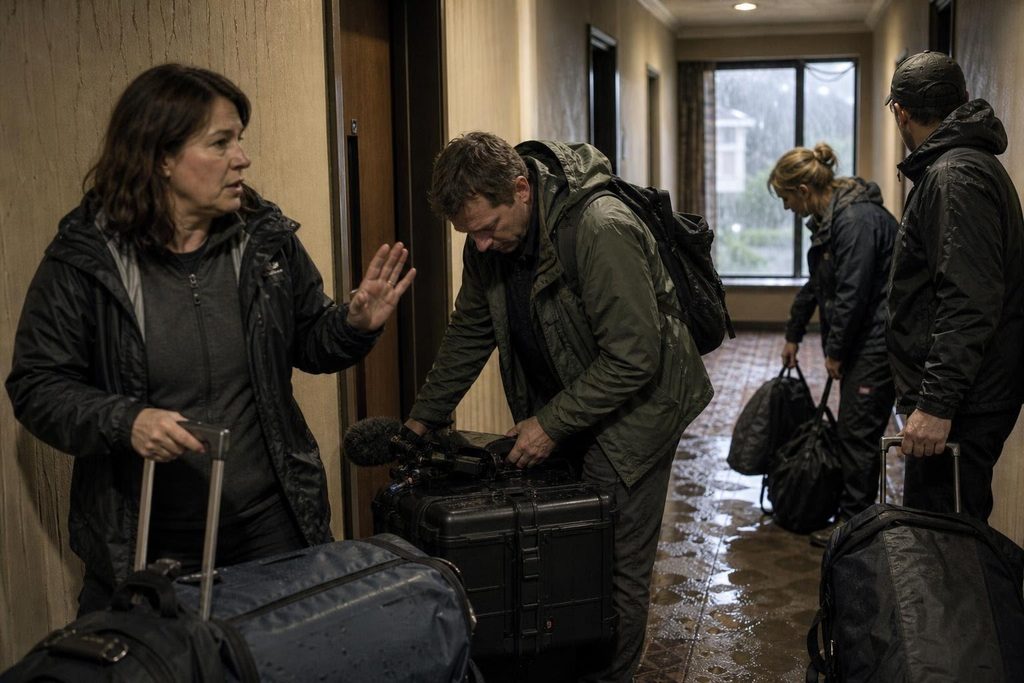
When hurricane damage forced a reporting team to change hotels, the necessary direction was specific: where to go, what to take, what to leave, and where to meet. The team did not need a complete account of every possible complication. It needed an understandable action that members could carry out together.
Provide steadiness without promising certainty
A leader can feel the weight of responsibility while communicating calmly and decisively. The distinction is between confidence in the immediate instruction and a guarantee that nothing will go wrong. Clear direction gives people something useful to follow while the leader continues assessing conditions and considering what may happen next.
Meet the needs that strategy cannot replace
During the hurricane, finding food eventually meant collecting candy bars from hotel minibars. As Marshall put it, “People don’t eat strategy.” The practical lesson extends beyond emergency reporting: plans for the future do not replace attention to what people need to function in the present.
Before adding another explanation of the strategy, a leader can check three essentials:
- A clear next action
- A shared meeting point or coordination plan
- Immediate needs that remain unmet
An operational instruction becomes more useful when people have the means to follow it. The leader’s attention therefore needs to move between directing the work and checking the team’s actual condition.
Build a team that can challenge the preferred story
Missing information is not always the main obstacle to a decision. Sometimes the evidence is already available, but accepting it would require a leader to abandon an assumption or acknowledge that a preferred plan will not work.
Develop trusted relationships before the pressure rises
Reliable people matter before circumstances become difficult, not only afterward. In unfamiliar reporting environments, trusted contacts could supply a reading of conditions that was otherwise unavailable. For leadership, the corresponding discipline is to know whose judgment is useful and maintain relationships that make honest information possible before a crisis arrives.
Examine information that clashes with expectations
A useful starting point is something a colleague has already reported that conflicts with what the leader wishes were true. Instead of immediately defending the existing view, the leader can consider what action accepting that information would make possible. Being willing to be wrong creates room for a different decision.
Separate a failed venture from personal worth
An early online news business failed after its financial partner withheld some funding and went bankrupt. Personal shame made the setback harder for Marshall to absorb, despite an experienced adviser having anticipated that a first company might not succeed. That experience illustrates the cost of equating a failed attempt with a failed identity.
A candid review can focus on information rather than defending the original decision:
- The assumption most in need of testing
- The colleague whose warning deserves attention
- The action newly available if that warning is accepted
The next useful discussion may not require more people or more data. It may require giving existing evidence a fair hearing, especially when it unsettles the person responsible for the decision.
Turn hope into useful action
Hope becomes practical when it supports purposeful action rather than waiting for circumstances to improve. That action may involve changing the work, caring for others, or preserving something worthwhile without knowing how events will end.
Change the route while preserving the purpose
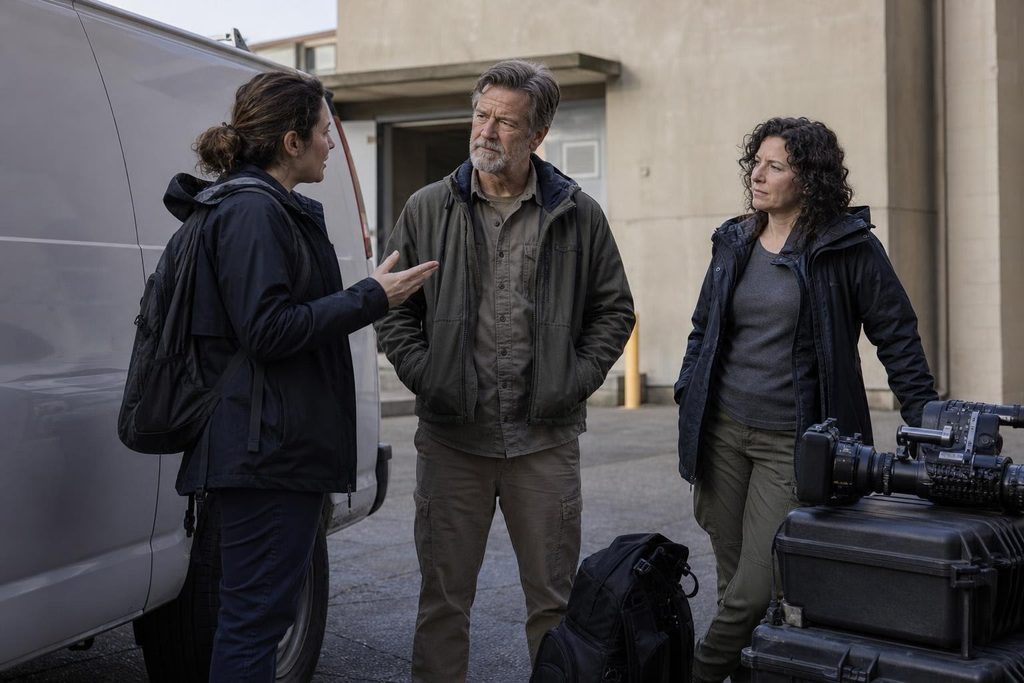
When a planned film in China lost access to its main participant, the reporting team first stopped for lunch. It then pursued another available story about pandas, diplomacy, and economic gain while trying to resolve the original problem. Adaptation preserved useful work without requiring the first plan to recover immediately.
Recognize care as a form of courage
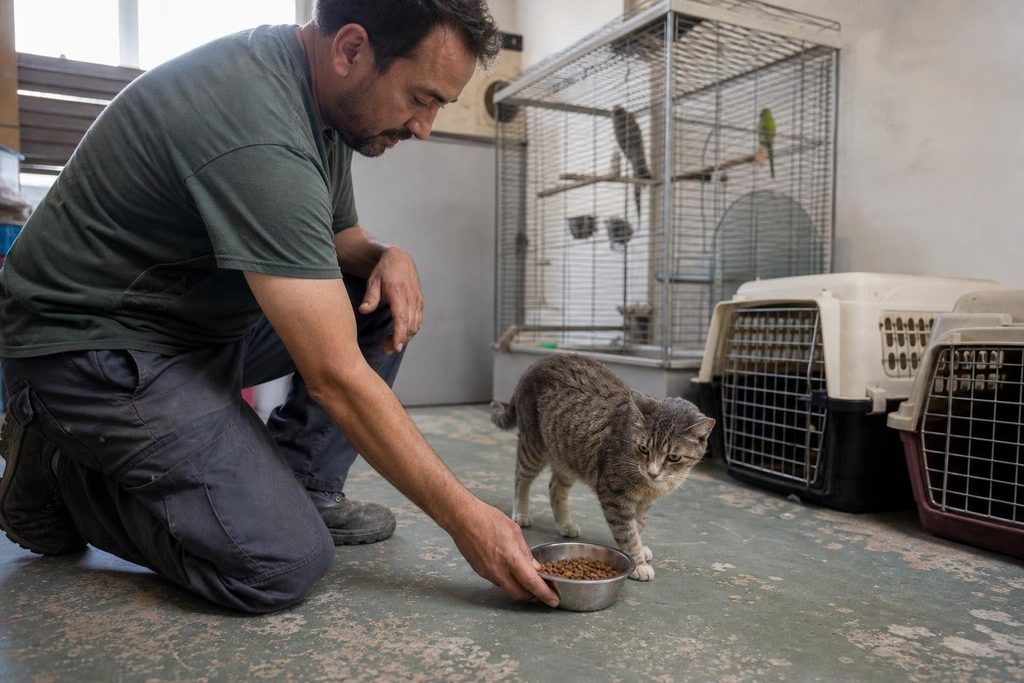
In Odesa, a zookeeper stayed at the zoo to care for its animals and pets left by people fleeing the war. His actions were meaningful because they met a real need under frightening conditions. Courage did not depend on a grand gesture; it appeared in the responsibility he continued to carry.
Keep meaningful effort distinct from guaranteed results
Uncertainty prevents anyone from guaranteeing how an effort will end. It does not make the effort meaningless. Leaders can still choose actions consistent with their purpose, respond to people who need help, and remain willing to adapt without claiming that determination alone will produce the desired result.
A practical expression of hope needs something more specific than a positive forecast:
- A purpose worth preserving
- A useful action available now
- A willingness to change the approach
When an original plan fails, the remaining question is what worthwhile work is still possible. Identifying that work gives hope an immediate task rather than leaving it dependent on a reassuring prediction.
A responsible next step
Practical leadership under uncertainty means helping people move without pretending to possess a complete map. Its value lies in judgment that remains attentive to reality rather than attached to a flawless-looking plan.
The first discipline is to assess whether current conditions can continue and read the evidence already available. A decision can remain provisional while still being necessary and useful.
The second is to give the team clear direction while meeting immediate needs. People need an actionable instruction and the practical support to carry it out, not reassurance alone.
The third is to listen when trusted people challenge the preferred story. Accepting an uncomfortable fact may reveal an option that defending an old assumption keeps out of view.
A leader facing a delayed decision can start by naming the assumption that needs testing, the person who can help, and one responsible next step. Hope then becomes energy for useful work, even before certainty arrives.
Frequently asked questions
What does leadership under uncertainty require?
It requires attention to available evidence, clear direction, trusted relationships, and a willingness to adjust. Complete information is not always available before action becomes necessary.
How can a leader act without complete information?
Assess whether the current situation is sustainable, consult reliable people, and identify a responsible next move. Continue reassessing as conditions change.
What should a team receive first when plans fail?
The team needs a concrete next instruction and attention to immediate needs. A broader strategy cannot replace practical direction, safety, or food.
How does hope become useful at work?
Hope becomes useful when it supports purposeful action. That may mean adapting a failed plan, caring for people, or taking a worthwhile step without guaranteeing its outcome.