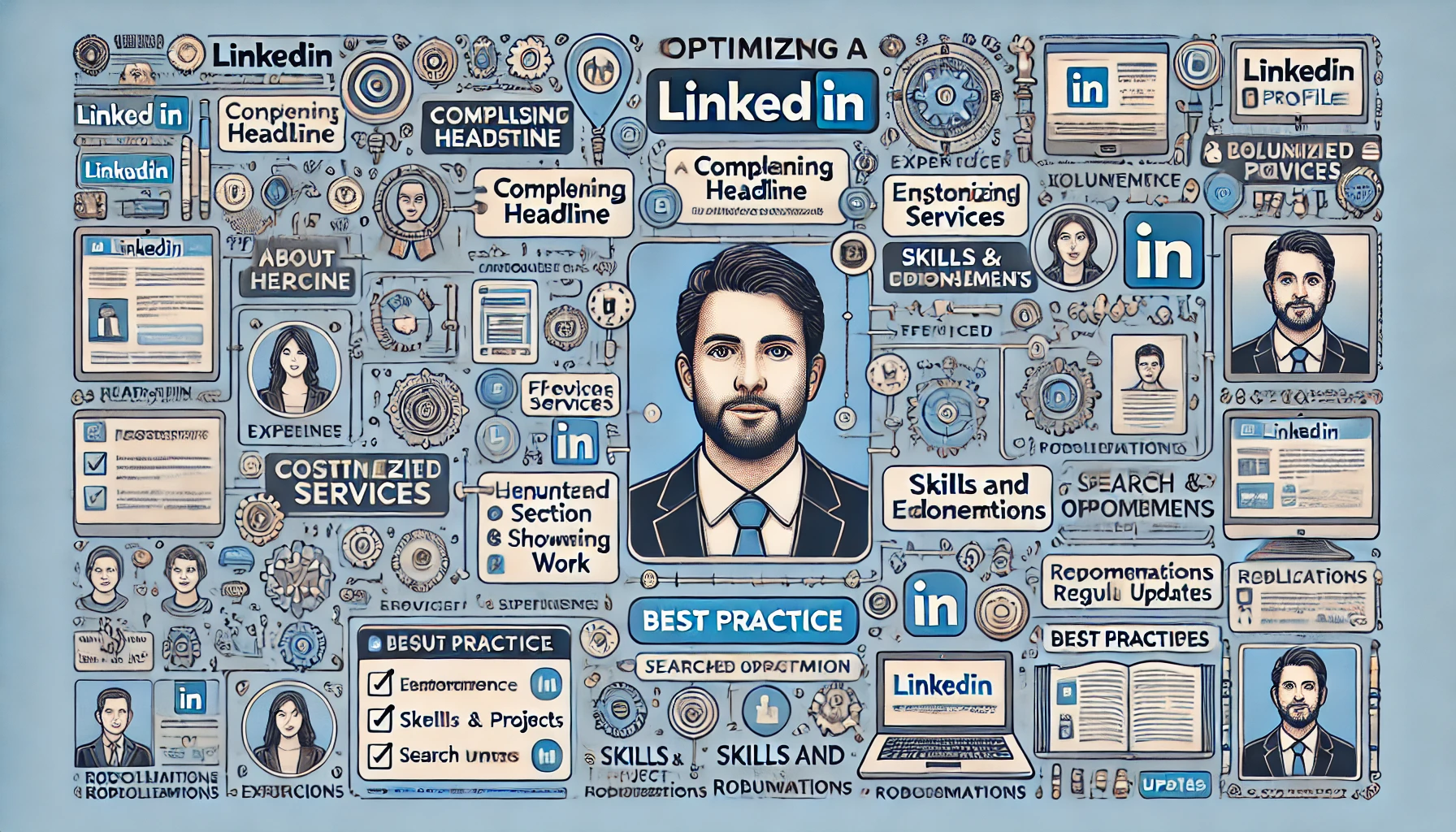
In today’s digital age, your LinkedIn profile is often the first impression you make on potential employers, clients, and professional connections. Optimizing your LinkedIn profile is crucial for standing out in a crowded marketplace and is especially important for career advancement, particularly if you are seeking outside board roles or advisory work. Here are the best practices to ensure your profile is compelling and professional.
1. Professional Headshot
Your profile picture is the first thing people notice. Use a high-quality, professional headshot where you are dressed appropriately for your industry. Ensure the background is clean and non-distracting. A friendly, approachable expression can make a positive impact.
2. Compelling Headline
Your headline should go beyond your job title. Use this space to highlight your unique value proposition. For example, instead of “Marketing Manager,” try “Marketing Manager | Expert in Digital Strategy & Brand Development.”
3. Customized URL
Customize your LinkedIn URL to make it more professional and easier to share. For example, linkedin.com/in/yourname looks cleaner and is more memorable than a URL with random numbers and letters.
4. Engaging About Section
The About section is your opportunity to tell your story. Write a compelling summary that highlights your professional journey, key achievements, and what drives you. Use first-person narrative to make it more personal and engaging. Include keywords relevant to your industry to improve searchability.
5. Detailed Experience
List your work experience in reverse chronological order. For each role, include a brief description of your responsibilities and highlight key achievements using bullet points. Quantify your accomplishments with metrics where possible (e.g., “Increased sales by 30% in six months”).
6. Highlight Services
If you offer professional services, use the Services section to list them. This feature is particularly useful for freelancers, consultants, and business owners. Be specific about what you offer to attract the right clients.
7. Featured Section
Use the Featured section to showcase your best work. This can include articles, presentations, portfolio pieces, or any other content that demonstrates your expertise. Pin the most relevant and impressive items to the top.
8. Comprehensive Education
Include your educational background, starting with the most recent. Mention any honors, awards, or relevant coursework. If you have certifications or additional training, list them here as well.
9. Projects
Highlight significant projects you’ve worked on, especially those that showcase your skills and achievements. Include a brief description, your role, and the outcome. This section can be particularly impactful for those in project-based roles.
10. Volunteering
Showcase your commitment to social causes by listing your volunteer experiences. This not only highlights your values but also demonstrates leadership and community involvement.
11. Skills and Endorsements
List relevant skills and seek endorsements from colleagues and clients. Prioritize the top three skills you want to be known for, as these will be prominently displayed. Regularly update this section to reflect your evolving expertise.
12. Recommendations
Request recommendations from colleagues, supervisors, and clients. A well-written recommendation can provide social proof of your skills and work ethic. Aim for a mix of recommendations that highlight different aspects of your professional capabilities.
13. Publications
If you have authored articles, books, or research papers, list them in the Publications section. This can significantly boost your credibility and showcase your thought leadership. Include links to the publications if available.
14. Optimize for Search
Incorporate relevant keywords throughout your profile to improve its visibility in LinkedIn searches. Think about the terms potential employers or clients might use to find someone with your skills and experience.
15. Regular Updates
Keep your profile current by regularly updating it with new experiences, skills, and achievements. Share industry-relevant content and engage with posts to stay active in your network.
16. Professional Summary
End your profile with a professional summary that encapsulates your career highlights and future aspirations. This can serve as a quick reference for anyone viewing your profile.
By following these best practices, you can create a LinkedIn profile that not only stands out but also effectively communicates your professional brand. A well-optimized profile can open doors to new opportunities and help you build a strong professional network.